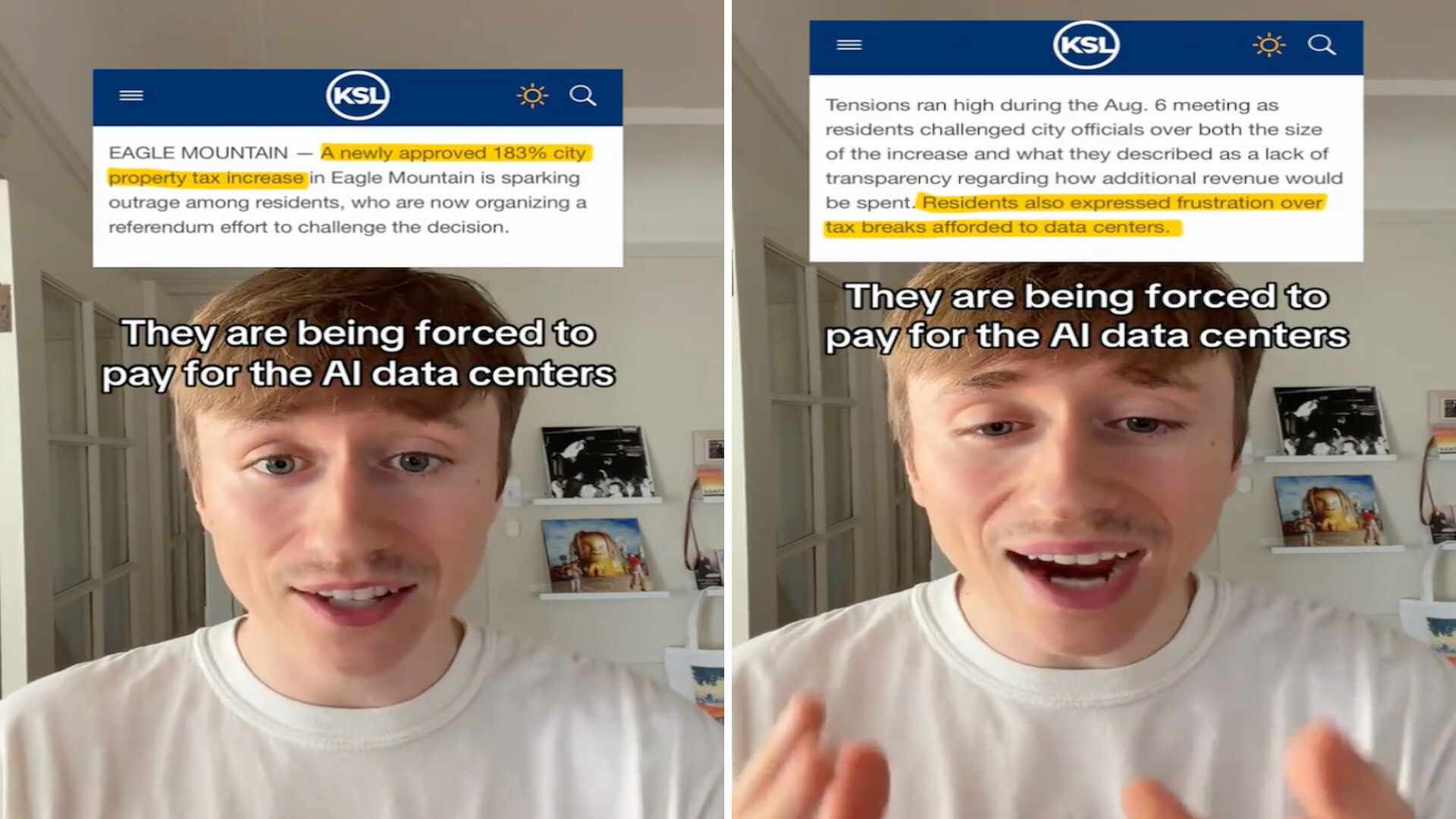
Residents in Eagle Mountain, Utah, are pushing back against a 183% increase in the city's property tax rate. According to a report published August 26, locals filed a referendum to challenge the increase, arguing that ordinary property owners are being left with higher bills while large data center developments receive substantial tax advantages through multi-year agreements.
In August 2026, the Eagle Mountain City Council approved the city's first property tax increase in 15 years. The move is expected to generate approximately $5.5 million annually, with local government officials stating the funds would be used for additional deputies and Utah County sheriff's contract services.
Critics of the increase are questioning the transparency of these incentives and whether the costs of growth are being shifted onto homeowners. Concerns have been raised regarding how much revenue local governments forgo in the short term and whether protections exist for when service needs increase or equipment values fall.
The controversy involves tax structures that have been used for projects including Meta's Eagle Mountain campus and QTS. These Community Reinvestment Area agreements can hold down the short-term taxes paid on equipment like servers compared to what local businesses and homeowners pay.
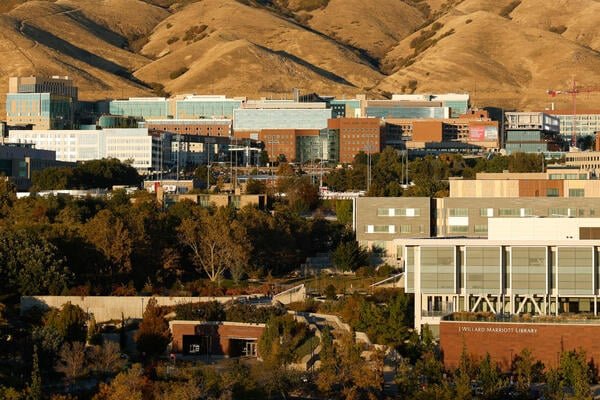
Studies from the University of Utah's Kem C. Gardner Policy Institute suggest a potential timing problem with these developments. Because large data centers can temporarily expand the tax base before personal property like servers loses taxable value, it can create a boomerang dynamic that makes city finances less predictable. This may leave other taxpayers facing higher rates to cover gaps in public services like policing and roads as equipment depreciation occurs.
The tension in Eagle Mountain reflects a broader national argument regarding how the costs of expanding cloud and AI facilities are distributed to residents once projects are established in a city. While AI can assist with grid efficiency and utility forecasting, the enormous electricity and water consumption of data centers raises concerns about strained infrastructure and higher utility costs for nearby communities.