A five-day preliminary hearing concluded Friday in Provo, determining whether enough evidence exists to proceed to trial for Tyler James Robinson, the man accused of killing conservative activist Charlie Kirk. U.S. District Judge Tony Graf will now decide if prosecutors have established probable cause following a week of testimony involving forensic DNA disputes and recordings of a potential confession.
Roommate testimony reveals remorse
The proceedings brought the emotional reality of the 2025 shooting to the forefront as Kirk's widow, Erika, and his parents attended the courtroom for the first time since the killing. The hearing followed the September 10, 2025, shooting at Utah Valley University, where investigators say Robinson shot Kirk in the neck from a rooftop while the activist was taking questions from a crowd of several thousand people.
Evidence of a confession
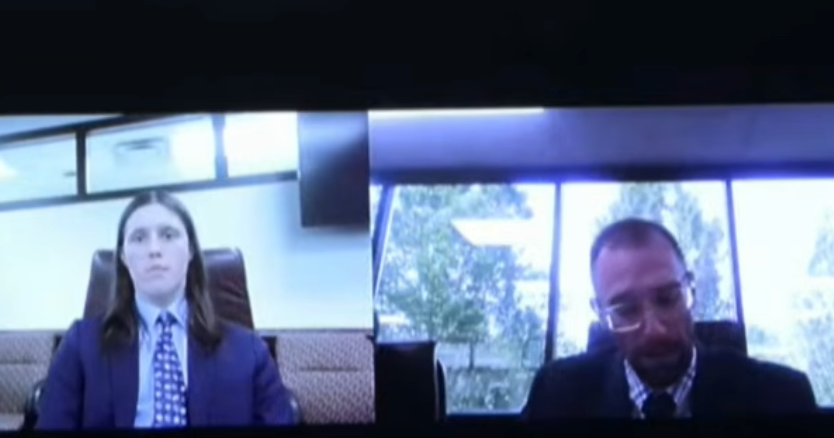
During the hearing, portions of an investigatory interview with Lance Twiggs, Robinson's former roommate and romantic partner, were played for the court. According to CBS News reporting on Thursday, Twiggs described seeing Robinson the day after the shooting, on September 12, 2025. Twiggs testified that Robinson was walking around their apartment and appeared to be pacing or doing tasks to distract himself.
Legal battles over DNA
Twiggs told prosecutors during his recorded interview that when he asked Robinson if what he said the previous night was true, Robinson confirmed it and began crying. Twiggs stated that Robinson said he "wishes he hadn't done it." Prosecutors also alleged that Robinson left a note for Twiggs stating he had the opportunity to take out Kirk and intended to do so, as well as a text message claiming he targeted the activist because he had "enough of his and his hatred."
Forensic findings presented
The defense team focused heavily on challenging the reliability of forensic evidence linking Robinson to the crime. Defense lawyer Michael Burt interrogated an FBI DNA analyst, arguing that she could not definitively match Robinson to the questioned samples. However, forensics expert Lawrence Quarino testified that such tests are the "gold standard" and extremely reliable for determining probabilities at crime scenes.
Courtroom transparency disputes
Caitlin Oliver, a forensic biologist with the Bureau of Alcohol, Tobacco, Firearms and Explosives, provided testimony stating that DNA samples found on parts of the rifle used in the killing were at least 1 trillion times more likely to have been contributed by Robinson or one other unrelated person. This evidence was part of a larger set of prosecution claims, which also included video footage allegedly showing Robinson entering the campus and climbing onto a rooftop.
Access for the Kirk family
The hearing was marked by significant tension regarding courtroom access and media conduct. On Thursday, a controversy arose when prosecutors displayed an exhibit—a communication between Robinson and Twiggs—without warning, leading media attorney Michael Judd to note the lack of announcement before the camera captured the evidence. Judge Graf responded by stating that compliance with court orders is essential and noted his duty to protect the constitutional rights of both the defendant and Erika Kirk.
Family reacts to hearing
Lawyers for the Kirk family, including attorney Jeffrey Neiman, filed requests for all evidence to be displayed openly without redactions to prevent the spread of conspiracy theories. While the judge denied some of these requests to protect the rights of the defendant, he did permit Erika Kirk to view an unredacted version of surveillance footage showing Robinson on campus the day of the shooting. The defense had previously fought against the public release of Twiggs' statements, arguing that broadcasting them as confessions could undermine a fair trial.