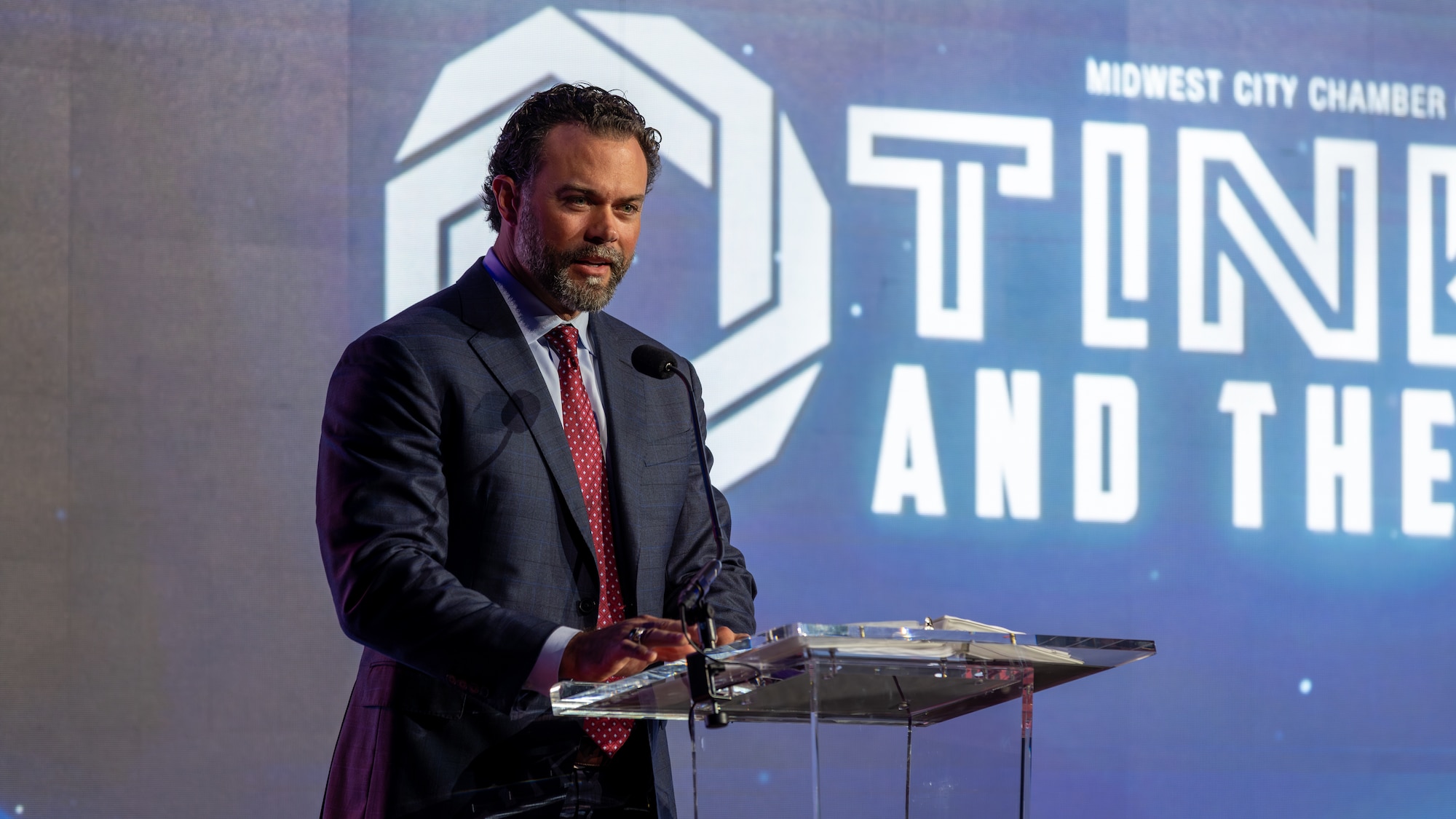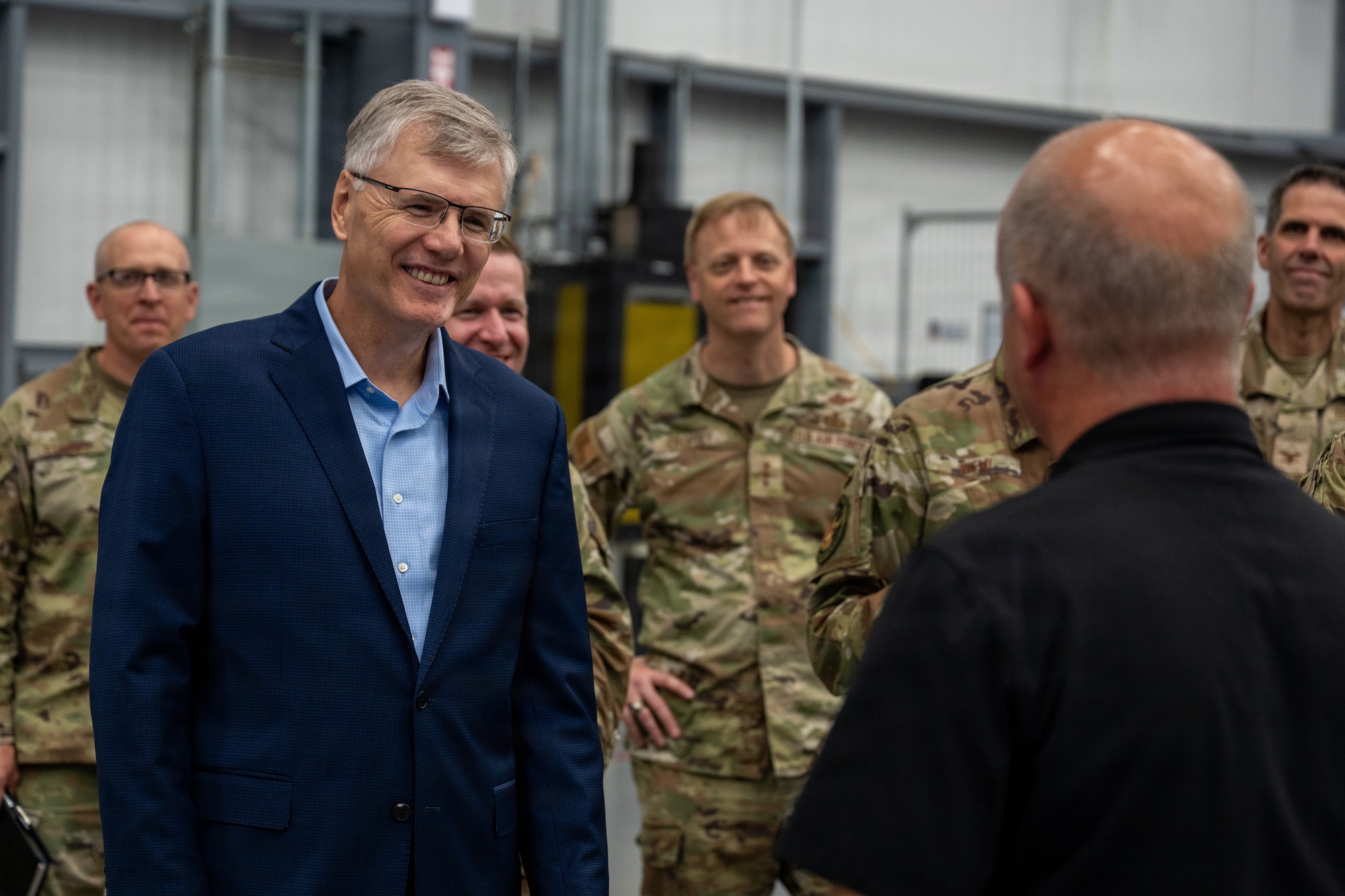
Secretary of the Air Force Troy Meink visited McConnell Air Force Base on Aug. 12 to observe readiness, modernization, and aviation technology. The visit included discussions regarding the ongoing fleet transition from the KC-135 Stratotanker to the KC-46A Pegasus.
According to a report published August 21, the transition involves the 22nd Air Refueling Wing working to integrate the KC-46A Pegasus as it gradually becomes a larger part of the tanker fleet. While some KC-135s are being retired or sent to other bases, the Air Force is modernizing communications systems to ensure the continued viability of the KC-135 for years to come.
Meink noted that air refueling provides a distinct military advantage, stating that the United States operates approximately three-quarters of the tanker aircraft in the world. This capability allows for the projection and sustainment of airpower globally by reducing the need for missions to divert for refueling.
During the visit, Meink also toured the National Institute for Aviation Research in Wichita, Kan. There, he observed digital engineering developments used for B-1B Lancer sustainment. This process involves using digital twins of each B-1 to predict structural fatigue and design repairs, which Meink said reduced a 12-month repair process to under nine months.
Meink engaged with Airmen during the visit, including a lunch where topics such as artificial intelligence, innovation, and leadership were discussed. He emphasized that the commitment of the aerospace defense industrial base is essential to fielding weapons systems quickly and noted that the Air Force's people are its most decisive advantage.