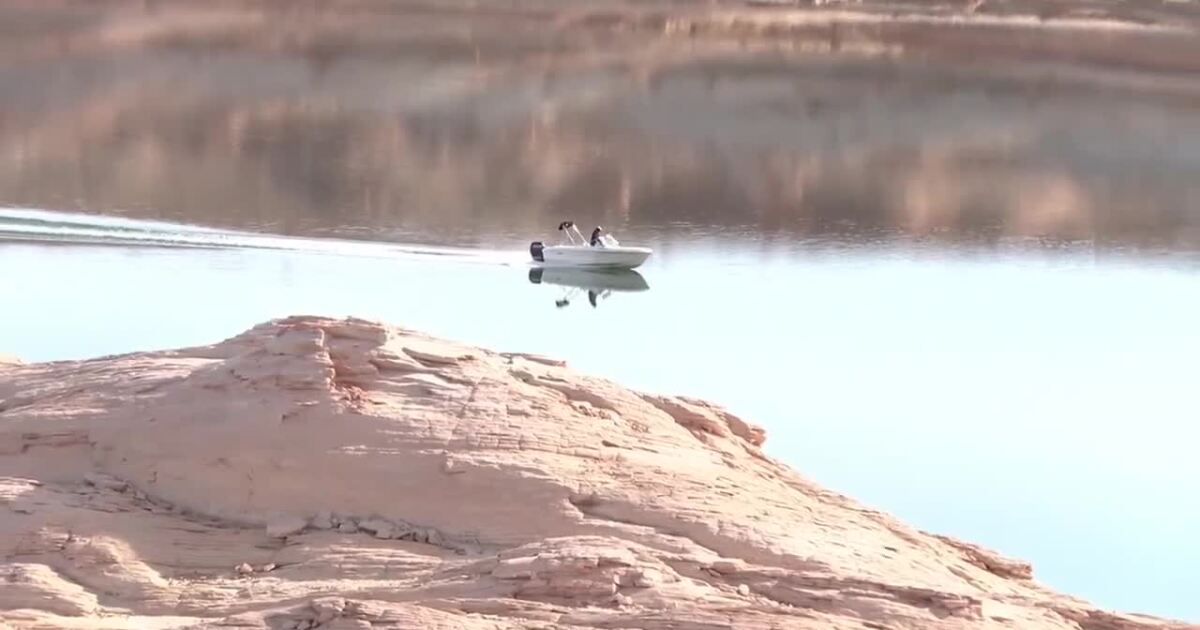
Utah officials are bracing for potential federal intervention in the Colorado River as Lake Powell reached a record low elevation of 3,519.91 feet on Saturday. The decline has sparked concerns that the U.S. Bureau of Reclamation may increase water releases from Flaming Gorge to prevent the reservoir from reaching levels that would halt hydroelectric power generation for millions of people across the American West.
Critical Reservoir Depletion
The record low elevation recorded on Saturday leaves Lake Powell approximately 30 feet above the minimum power pool level. If the water drops below this threshold, the Glen Canyon Dam will cease generating power for millions of residents across the West. Amy Haas, the executive director of the Colorado River Authority of Utah, described the current state of the reservoirs as a "critical situation."
During a hearing on Tuesday before the Utah State Legislature's Interim Natural Resources Appropriations Subcommittee, Haas noted that the state had already missed its target for protecting Lake Powell's elevation for the upcoming spring. She indicated that because current projections suggest the elevation will drop even further, the U.S. Department of the Interior will likely assert its authority to order more water releases from Flaming Gorge to stabilize the reservoir.
Federal Management and Basin Tensions
The U.S. Bureau of Reclamation has already ordered the release of up to one million acre-feet of water from Flaming Gorge to support Lake Powell's levels. However, Haas told FOX 13 News that these measures may not be sufficient to meet critical elevation goals. She suggested that the Secretary of the Interior will likely use his authority to mandate more releases if conditions continue to deteriorate.
As the Bureau of Reclamation has advanced its management plan for the river—which serves more than 40 million people—the seven states along the Colorado River have struggled to reach a formal agreement. Under the federal plan, Lower Basin states including California, Nevada, and Arizona must make deep cuts to their water supplies, while Upper Basin states—Utah, Wyoming, Colorado, and New Mexico—are being pushed toward increased conservation efforts.
Governor Rejects Abandoning Powell
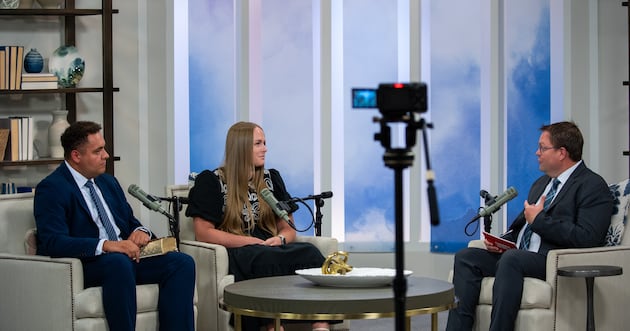
Governor Spencer Cox addressed the situation during a monthly news conference on PBS Utah on Thursday, explicitly rejecting suggestions that the state should abandon Lake Powell. "It's definitely not time to let Lake Powell go. That's never going to happen," Cox said in response to questions regarding the reservoir's decline. He emphasized the necessity of preventing the reservoir from hitting "deadpool."
While the governor acknowledged the existence of a framework with the Department of the Interior, he expressed reservations about federal management. He noted that the states are currently negotiating under a "worst case scenario" framework. "We're always wondering whenever you come to up with a deal, it's like, well, what is the worst case scenario look like in this deal? And we're now negotiating the deal in the worst case scenario," Cox told reporters.
Negotiating State Protections
To mitigate the impact of federal mandates, Utah and other Upper Colorado River Basin states have been negotiating "side-agreements" with the current administration. According to Haas, these agreements aim to ensure that any water released from upstream sources is effective at maintaining Lake Powell's elevation.
These proposed terms also include seeking credits for conservation that would allow for the future replenishment of Flaming Gorge. Additionally, Utah is seeking to ensure it maintains a seat at the table for all future decision-making processes regarding the river. Haas stated that the outcome of these negotiations will inform Utah's support for future water releases.
Legislative Concerns
The water crisis has drawn significant concern from Utah lawmakers. Senator David Hinkins, a Republican representing Ferron, highlighted the stakes for local residents, noting that a large portion of the Colorado River system water is pumped via the Central Utah Project to provide drinking water for much of the Wasatch Front.
Representative Scott Chew, a Republican from Jensen, described the current situation as very concerning. Discussing the use of water from Flaming Gorge, Chew remarked, "I don't know whether you could call releases out of Flaming Gorge a Band-Aid fix. It's just too bad we have to stoop to that, but it's one of the few places we have water. Let's just hope it gets used wisely."
The Path Forward
While Governor Cox expressed hope that the states can eventually reach their own independent agreement, the current landscape remains one of difficult compromises. He noted that every state must make "really hard sacrifices" as they move forward with preserving the Colorado River system.