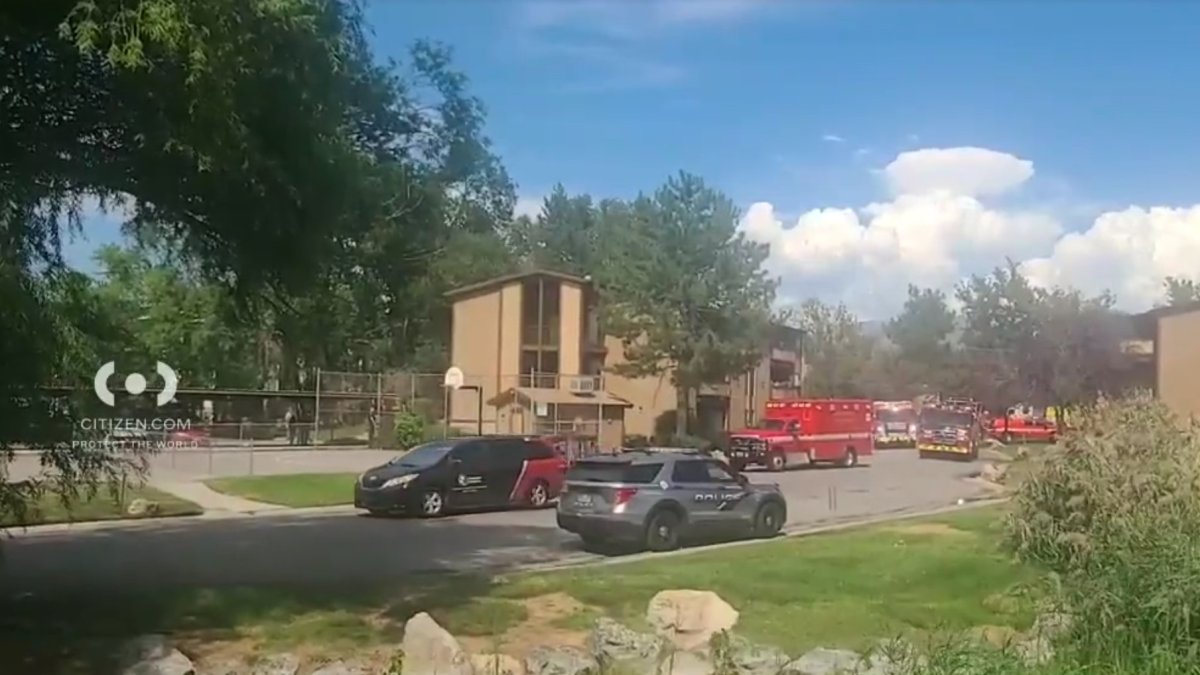
Millcreek officials have removed a Flock surveillance camera of unknown origin, a move that highlights the complex regulatory landscape governing the 448 documented automated license plate reader cameras currently operating across 19 municipalities in Salt Lake County. The removal follows long-standing state regulations regarding automated license plate reader systems, including a 2025 law that restricts how government entities may utilize such technology.
Surveillance Footprint in Salt Lake County
The removal of the Millcreek camera adds to the data tracked by community contributors via platforms like DeFlock and OpenStreetMap. According to data from mytownview.com, there are 448 documented Flock Safety and other surveillance cameras across 19 municipalities in Salt Lake County, including two located in unincorporated areas.
Among the municipalities utilizing these systems, Salt Lake City maintains the highest count with 91 documented cameras. Other significant deployments include 56 cameras in Sandy and 52 in West Jordan. West Jordan is the only municipality specifically noted for its use of the Flock Safety vendor, while other cities such as West Valley City, Taylorsville, South Jordan, Murray, and Midvale maintain high counts of cameras, ranging from 23 to 52 units.
Legal Restrictions on ALPRS Use
The use of automated license plate reader systems (ALPRS) is strictly governed by the Utah Administrative Code and the Utah Code. Under Utah Code Section 41-6a-2003, effective October 14, 2025, a governmental entity is prohibited from using an ALPRS except under specific, narrow circumstances.
Law enforcement agencies are permitted to use the technology for purposes such as conducting active criminal investigations, apprehending individuals with outstanding warrants, locating missing or endangered persons, or finding stolen vehicles. Additionally, agencies may access the Utah Criminal Justice Information System to verify vehicle registrations, confirm vehicle identification, or verify insurance information.
Permitted Administrative Uses
Beyond criminal investigations, the law allows for specific administrative uses of ALPRS technology. Local government parking enforcement entities may use these systems to enforce state and local parking laws or to regulate the use of parking facilities. Public transit districts may also utilize the technology for assessing parking needs and conducting travel pattern analysis.
Other permitted uses include controlling access to secured areas, collecting electronic tolls, and enforcing motor carrier laws. Additionally, institutions of higher education may use the systems for research and educational purposes, provided the collected data is anonymized. International airports owned by governmental entities are also permitted to use the technology to promote efficient traffic control, parking, and security operations.
Data Retention and Highway Permits
State law provides specific protections regarding the data collected by these devices. Under Utah Code Section 41-6a-2003, the retention of non-hit records from an ALPRS is capped at nine months. While Utah has no state statute restricting the sharing of ALPR data with federal agencies, including immigration enforcement, the law maintains strict guidelines on how the technology is deployed.
Furthermore, the Utah Administrative Code R920-4-16 outlines the requirements for installing an ALPRS along a state highway. Any law enforcement agency or local government entity seeking to install such a device on state highway right-of-way must obtain a special use permit from the Department of Transportation. This permit process requires the agency to file a list of all proposed or installed ALPRS locations using Global Positioning System (GPS) coordinates.
Regulatory Oversight and Accountability
The Department of Transportation maintains authority over the installation and maintenance of these systems on state property. According to Utah Administrative Code R920-4-16, the department may revoke a special use permit if a local government, law enforcement agency, or contractor violates any term or condition of the permit.
If a permit is revoked, the permit holder is required to promptly stop all operations of the ALPRS and any related equipment used to capture license plate data on state highways. The code also requires that any contractor or agent engaged by a government entity must indemnify the department against liability for negligent, reckless, or wrongful acts arising from the installation or maintenance of the system.
Future Regulatory Landscape
As of August 28, 2026, the presence of surveillance technology remains a significant part of the infrastructure in Salt Lake County. With 448 cameras documented across the county, the legal framework continues to evolve to balance law enforcement needs with privacy and transparency through mandatory public posting of agency policies and GPS location lists.